
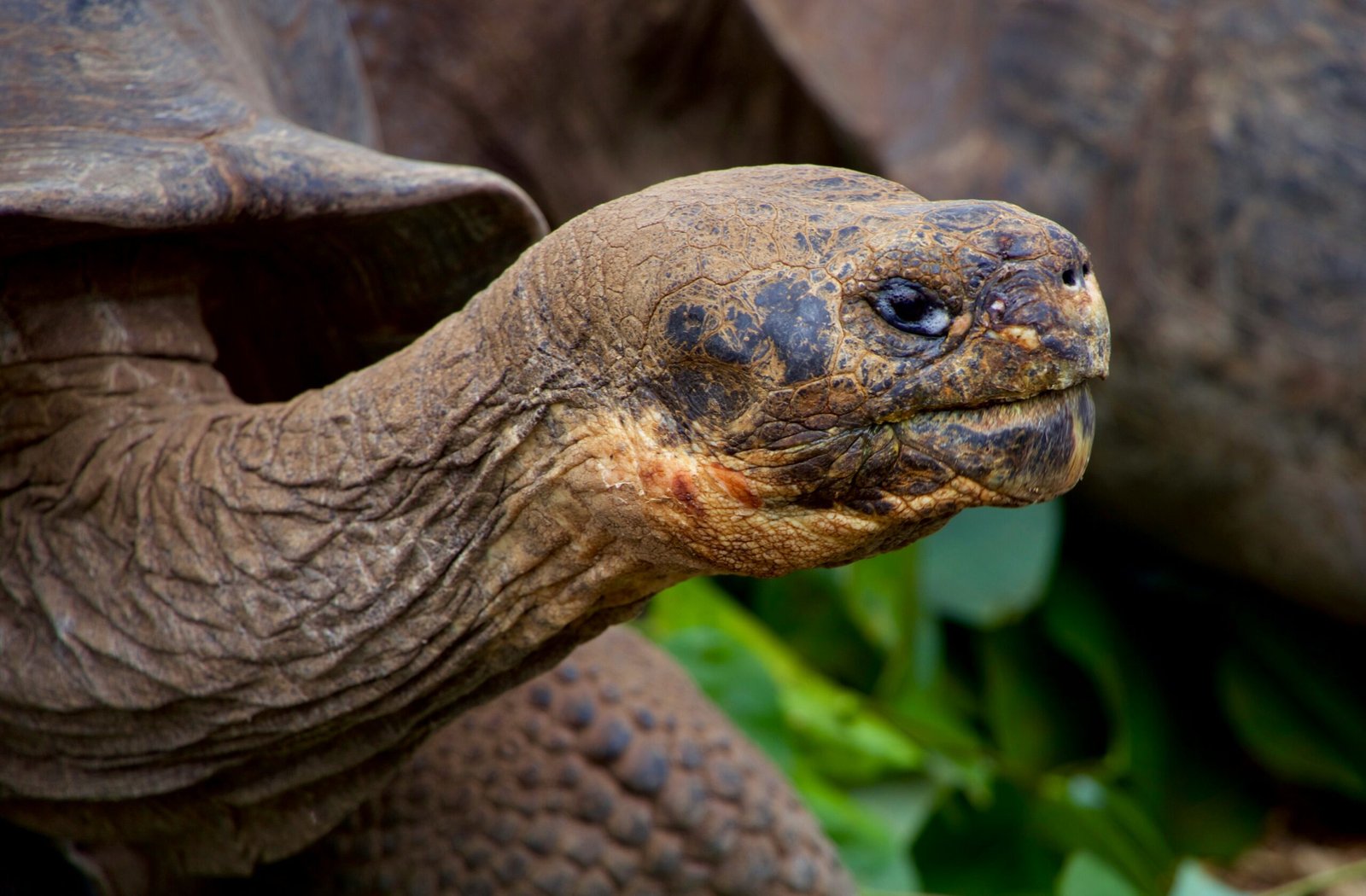
Die Galápagos-Inseln – ein abgelegenes Paradies im Pazifik – sind ein Ort wie kein anderer. Hier, rund 1.000 Kilometer vor der ecuadorianischen Küste, begab sich Charles Darwin 1835 auf eine Reise, die die Wissenschaft revolutionieren sollte. Heute ziehen die Inseln nicht nur Forscher, sondern auch naturbegeisterte Reisende aus aller Welt an.
Die einzigartige Tierwelt der Galápagos ist weltberühmt: Riesenschildkröten, die über 100 Jahre alt werden können, Meerechsen, die als einzige Echsenart im Meer schwimmen, und farbenfrohe Finken, deren Vielfalt Darwin zur Entwicklung seiner Evolutionstheorie inspirierte. Besonders eindrucksvoll ist die Nähe zu den Tieren – auf Galápagos existiert kaum Scheu vor dem Menschen.
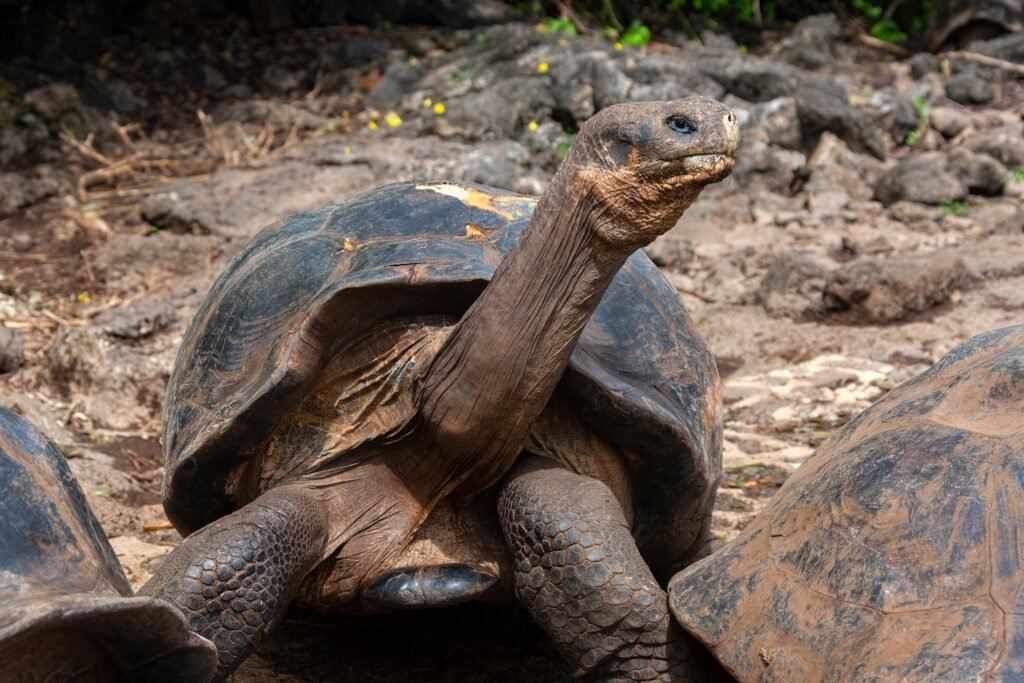
Ein weiteres Highlight ist der Nationalpark Galápagos, der etwa 97 % der Landfläche schützt und streng regulierten Ökotourismus erlaubt. Beliebte Inseln wie Santa Cruz, Isabela und San Cristóbal bieten atemberaubende Vulkanlandschaften, weiße Strände und faszinierende Schnorchelreviere – oft Seite an Seite mit Seelöwen, Pinguinen und Meeresschildkröten.
Ein Besuch des Charles-Darwin-Forschungszentrums in Puerto Ayora vermittelt spannende Einblicke in Naturschutzprojekte und die Geschichte des wissenschaftlichen Erbes.
Die Galápagos-Inseln sind mehr als ein Reiseziel – sie sind ein lebendiges Labor der Evolution und ein eindrucksvolles Beispiel für die Kraft und Zerbrechlichkeit der Natur.